Description
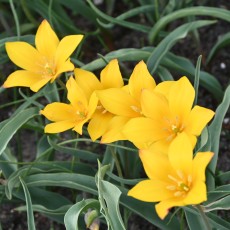
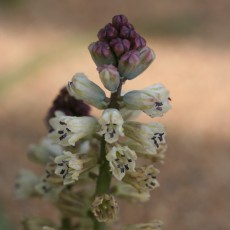
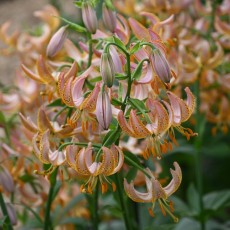
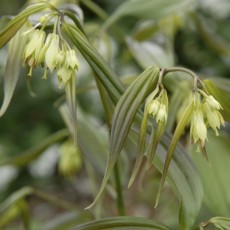
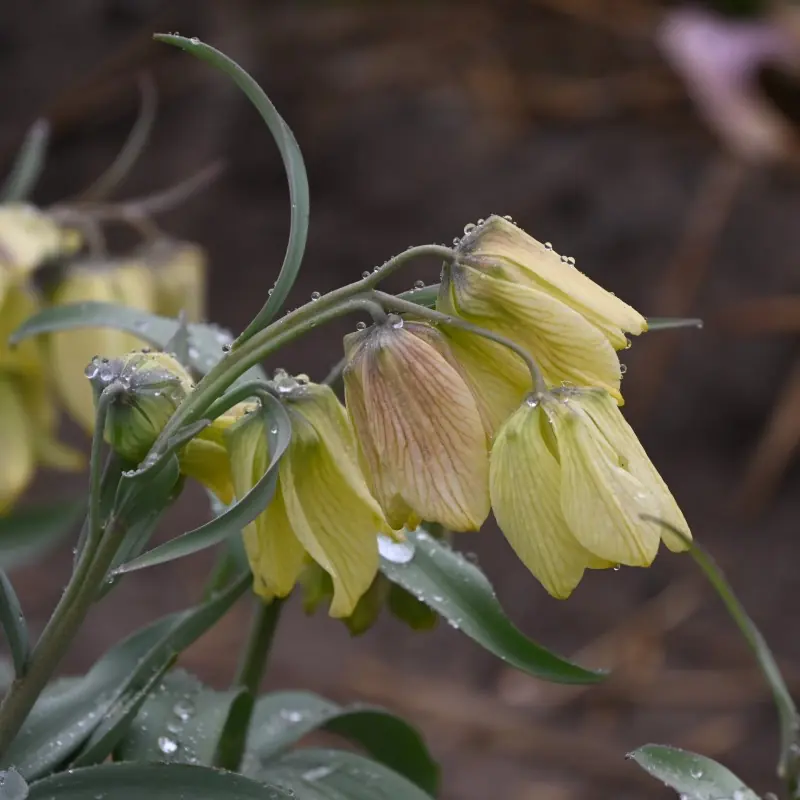
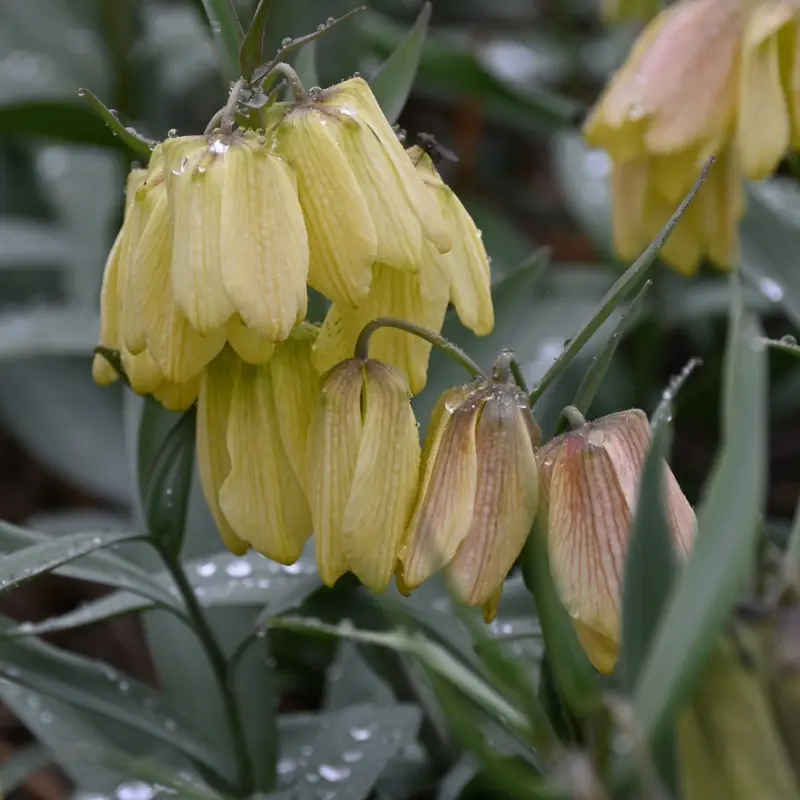
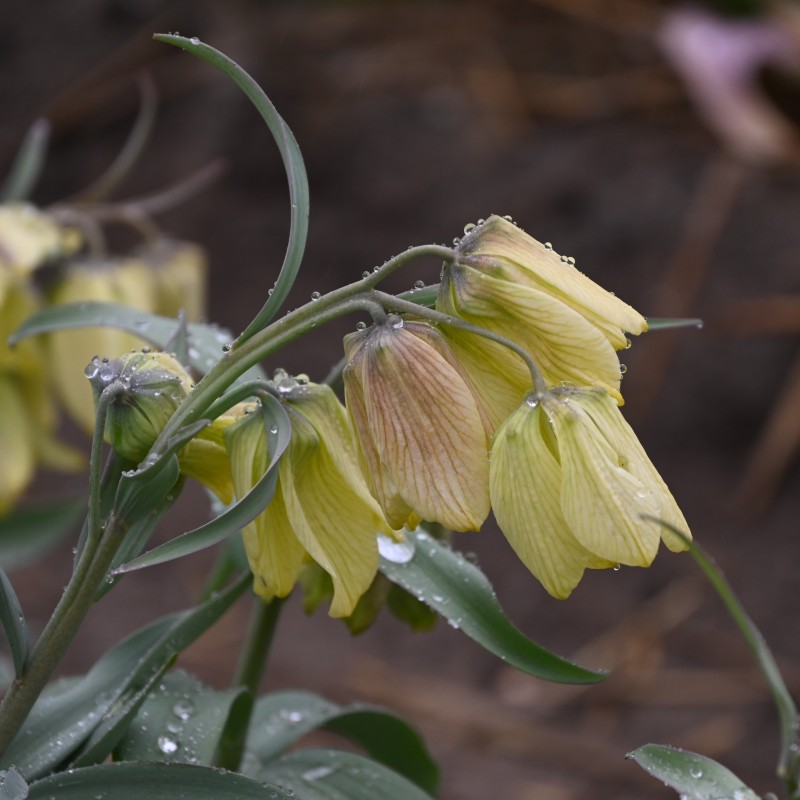
Intro: 1857. Discovered by the German botanist and plant collector Eduard August von Regel (1815-1892). Beautiful sea-green, crosswise placed leaves. Large (5 cm) nodding lemon-yellow (pallidus means pale yellow) flowers with fine green veins on both inside and outside of the petals. The plant bears up to seven flowers per stem. Origin: Eastern Siberia and northwestern China in humid peaty grassland and pastures. In China they are cultivated for medicinal purposes, like all other Chinese species.
BELONGS TO THE LILIACEAE FAMILY
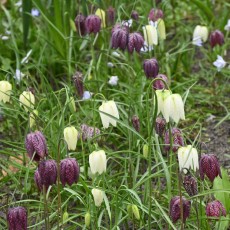
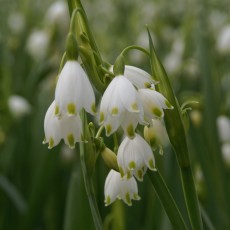
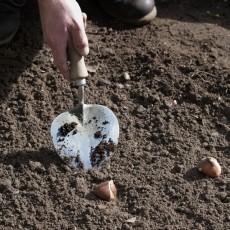
The name is derived from the Latin word: fritillus, which means dice cup. One of the most striking features of Fritillaria is the hole (hole) in the bulb. This is particularly noticeable in the large cultivars. This opening marks the place where the old flower stalk was located. The bulb is quite fragile due to the lack of a dry, protective skin. Almost all fritillarias have hanging, bell-shaped flowers. The soil type should be well-draining and rich in humus, in which the Fritillaria must be planted deeply. Although the bulbs are reasonably hardy, winter protection is highly recommended. The decorative seed pods can be used in bouquets.