
-
Back
-
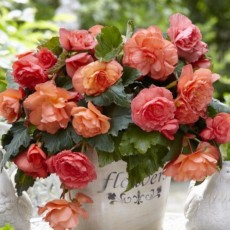
Summer flowering bulbs
-
-
Summer flowering bulbs
-
-
-
Dahlia
-
-
Dahlia
-
Dahlia, Anemone-flowered
-
Dahlia, Ball
-
Dahlia, Cactus and Semi-Cactus
-
Dahlia, Collarette
-
Dalhia, Decorative
-
Dahlia, Decorative, water lily
-
Dahlia, Fimbriata
-
Dahlia, Gallery
-
Dahlia, Happy Single
-
Dahlia, Karma
-
Dahlia, Single-flowered
-
Dahlia, Star-shaped, Orchid
-
Dahlia, Miscellaneous
-
Dahlia, Peony-flowered
-
Dahlia, Pompon
-
Dahlia, BIO
-
-
-
-
Seeds
-
Gardening, supplies
-
-
Gardening, supplies
-
-
-
Indoors
-
Nieuwe Oogst, Flower Bulbs
-
-
Nieuwe Oogst, Flower Bulbs
-
New in 2025
-
Bulk offers
-
Collection of nursery De Schüllhorn
-
Autumn-flowering bulbs
-
Native bulbs
-
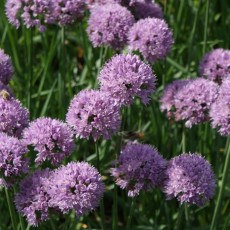
Allium
-
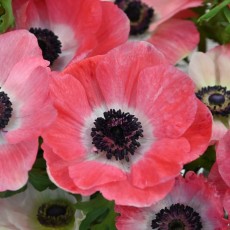
Anemone
-
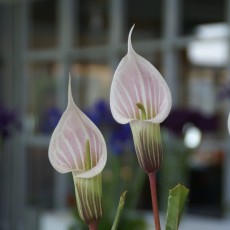
Arum
-
Cyclamen
-
Bellevalia
-
Brimeura
-
Calochortus
-
Camassia
-
Chionodoxa
-
Colchicum
-
Convallaria
-
Corydalis
-
Crocus, autumn flowering
-
Crocus, spring flowering
-
Dichelostemma
-
Eranthis
-
Eremurus
-
Erythronium
-
Fritillaria
-
Fritillaria CROWN
-
Galanthus
-
Galanthus from England
-
Geranium
-
Gladiolus
-
Hermodactylus
-
Hyacinthoides
-
Hyacinthus
-
Ipheion
-
Iris
-
Ixia
-
Ixiolirion
-
Leucojum
-
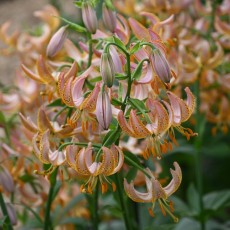
Lilium
-
Lilium martagon and hybrids
-
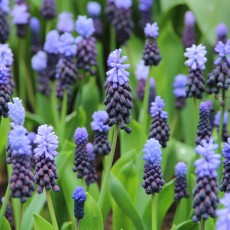
Muscari
-
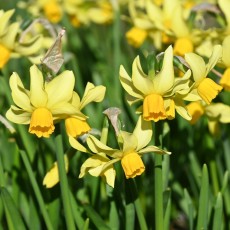
Narcissus
-
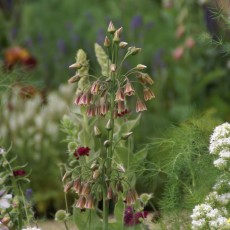
Nectaroscordum
-
Ornithogalum
-
Oxalis
-
Puschkinia
-
Scilla
-
Sternbergia
-
Tecophilaea
-
Trillium
-
Triteleia
-
Tulbaghia
-
Tulipa
-
Tulipa, cultivar
-
Bee-friendly bulb packages
-
Other historical bulb crops
-
-
-
-
Historicalbulbs
-
Daffodil website
-
-
Daffodil website
-
Division 1 - Trumpet Daffodil Cultivars
-
Division 10 - Bulbocodium Daffodil Cultivars
-
Division 11 - Split Corona Daffodil Cultivars
-
Division 12 - Other Daffodil Cultivars
-
Division 13 - Daffodils Distinguished Solely by Botanical Name
-
Division 2 - Large-cupped Daffodil Cultivars
-
Division 3 - Small-cupped Daffodil Cultivars
-
Division 4 - Double Daffodil Cultivars
-
Division 5 - Triandrus Daffodil Cultivars
-
Division 6 - Cyclamineus Daffodil Cultivars
-
Division 7 - Jonquilla and Apodanthus Daffodil Cultivars
-
Division 8 - Tazetta Daffodil Cultivars
-
Division 9 - Poeticus Daffodil Cultivars
-
-
-
- Nijssentuin.nl

Categories
Geranium
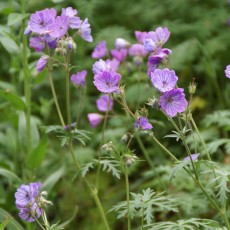
The Geranium plant is a popular garden plant with a rich history and is known for its exuberant flowers and long flowering period. The Geranium genus consists of many hundreds of species, of which a few have thickened rootstocks (rhizomes) as underground parts. The vast majority are perennials, of which the range offered increases and improves every year. This Geranium flower blooms for a long time and provides color and coziness to your garden or balcony. It is available in various colors, including pink, purple, red and white, and attracts butterflies and bees. Geraniums are suitable for borders as well as for flower boxes and hanging pots.
Geranium tuberosum
The different types of geranium plant
There are hundreds of types of geraniums. Most people know the perennial Geranium plant that is winter-hardy and comes back year after year. In addition, there are also annual varieties that are perfect for balcony boxes and hanging baskets. The geranium flower can be used as a robust border plant but it is also a cheerful summer bloomer for the terrace.
What makes geraniums so special?
Geraniums are a favorite of many people because they have unique characteristics.
- Long-lasting flowering: Geraniums flower for months and remain beautiful even when other plants have finished flowering. In other words, you can enjoy this flower for a long time.
- Decorative leaves: Many geranium species have beautifully shaped or colored leaves that also have ornamental value outside the flowering period.
- Biodiversity: Geraniums attract useful insects, such as bees and butterflies, which contributes to a healthy garden.
- Few diseases: Most geranium species are strong and not very susceptible to diseases or pests.
Geraniums in your garden? Use our tips!
A geranium plant is easy to maintain, but with the right approach you can ensure the most beautiful flowering. Here are some tips:
Location: When you are going to plant the geraniums, choose a spot with light shade to partial sun. Full sun is possible, provided the soil is well-drained.
Soil: Use normal garden soil that drains well. A dry soil is better than a soil that is too wet.
Planting distance: When planting, keep a distance of about 25-40 cm between the plants.
Are the geraniums in the ground? Make sure they are well cared for. They do not require much care, but make sure you water them regularly during dry periods. You can cut away faded flowers to encourage new flowering. In the autumn, you can prune the plant back to the base. For a strong start to the season, you can give it organic fertiliser or compost in the spring. In the event of severe frost, it is best to cover young plants.
Frequently asked questions about geraniums
Do you have a question about geraniums? View our frequently asked questions.
Are geraniums winter-hardy?
Most perennial geraniums are winter-hardy, while annual varieties cannot survive freezing temperatures.
- Perennial types can tolerate typical European winter conditions without extra protection.
- Annual geraniums (Pelargoniums) die back completely once frost arrives.
- Mulching can help protect borderline-hardy varieties in harsh winters.
Can I also plant geraniums in pots?
Yes, geraniums grow very well in pots as long as the container drains properly.
- Use a loose, well-draining potting mix to prevent waterlogging.
- Choose a pot with drainage holes and avoid saucers that keep water standing.
- Potted geraniums may need more frequent watering and feeding than those in the ground.
How long do geraniums bloom?
Geraniums typically bloom from May to October, offering a long and colourful season.
- Deadheading spent flowers encourages continuous blooming.
- Adequate sun, water, and nutriens help prolong the flowering period.
- Some varieties naturally bloom longer than others, depending on the species.
When is the best time to plant geraniums?
Plant geraniums in spring (April-June) or early fall (September) for the best results.
- Spring planting gives the plants a full season to establish.
- Early fall planting works well in mild climates where the soil stays warm.
- Avoid planting duren frost periods or extreme summer heat.


