




-
Back
-
Summer flowering bulbs
-
-
Summer flowering bulbs
-
-
-
Dahlia
-
-
Dahlia
-
Dahlia, Anemone-flowered
-
Dahlia, Ball
-
Dahlia, Cactus and Semi-Cactus
-
Dahlia, Collarette
-
Dalhia, Decorative
-
Dahlia, Decorative, water lily
-
Dahlia, Fimbriata
-
Dahlia, Gallery
-
Dahlia, Happy Single
-
Dahlia, Karma
-
Dahlia, Single-flowered
-
Dahlia, Star-shaped, Orchid
-
Dahlia, Miscellaneous
-
Dahlia, Peony-flowered
-
Dahlia, Pompon
-
Dahlia, BIO
-
-
-
-
Seeds
-
Gardening, supplies
-
-
Gardening, supplies
-
-
-
Indoors
-
Nieuwe Oogst, Flower Bulbs
-
-
Nieuwe Oogst, Flower Bulbs
-
New in 2025
-
Bulk offers
-
Collection of nursery De Schüllhorn
-
Autumn-flowering bulbs
-
Native bulbs
-
Allium
-
Anemone
-
Arum
-
Cyclamen
-
Bellevalia
-
Brimeura
-
Calochortus
-
Camassia
-
Chionodoxa
-
Colchicum
-
Convallaria
-
Corydalis
-
Crocus, autumn flowering
-
Crocus, spring flowering
-
Dichelostemma
-
Eranthis
-
Eremurus
-
Erythronium
-
Fritillaria
-
Fritillaria CROWN
-
Galanthus
-
Galanthus from England
-
Geranium
-
Gladiolus
-
Hermodactylus
-
Hyacinthoides
-
Hyacinthus
-
Ipheion
-
Iris
-
Ixia
-
Ixiolirion
-
Leucojum
-
Lilium
-
Lilium martagon and hybrids
-
Muscari
-
Narcissus
-
Nectaroscordum
-
Ornithogalum
-
Oxalis
-
Puschkinia
-
Scilla
-
Sternbergia
-
Tecophilaea
-
Trillium
-
Triteleia
-
Tulbaghia
-
Tulipa
-
Tulipa, cultivar
-
Bee-friendly bulb packages
-
Other historical bulb crops
-
-
-
-
Historicalbulbs
-
Daffodil website
-
-
Daffodil website
-
Division 1 - Trumpet Daffodil Cultivars
-
Division 10 - Bulbocodium Daffodil Cultivars
-
Division 11 - Split Corona Daffodil Cultivars
-
Division 12 - Other Daffodil Cultivars
-
Division 13 - Daffodils Distinguished Solely by Botanical Name
-
Division 2 - Large-cupped Daffodil Cultivars
-
Division 3 - Small-cupped Daffodil Cultivars
-
Division 4 - Double Daffodil Cultivars
-
Division 5 - Triandrus Daffodil Cultivars
-
Division 6 - Cyclamineus Daffodil Cultivars
-
Division 7 - Jonquilla and Apodanthus Daffodil Cultivars
-
Division 8 - Tazetta Daffodil Cultivars
-
Division 9 - Poeticus Daffodil Cultivars
-
-
-
- Nijssentuin.nl

Categories
Oxalis
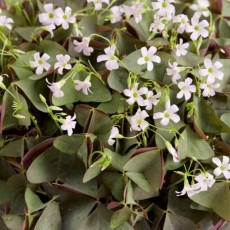
The Oxalis plant is often used by plant enthusiasts. Its beautiful, graceful leaves and striking colors make this plant a real eye-catcher.
Oxalis versicolor
Oxalis versicolor 'Autumn Pink'
Oxalis versicolor 'Golden Cape'
Oxalis, also known as clover or lucky clover, is a genus of flowering plants that includes more than 800 species. The plants are known for their graceful leaves, which often grow in a clover shape, and their unique flowering habit. Oxalis plants often have the characteristic of closing their leaves in low light, giving them a lively and interactive character.
Popular Oxalis varieties in our webshop
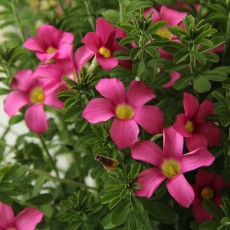
Oxalis hirta 'Gothenburg': This compact variety stands out with its hairy stems and leaves. The plant blooms profusely with bright pink flowers and is ideal for pots and gardens. The hirta 'Gothenburg' is a strong yet graceful flower.
Oxalis versicolor 'Autumn Pink': A rarer variety of the classic Versicolor. The Autumn Pink has softer, pink tones in its petals, creating a subtle appearance. A beautiful flower for those who love refined autumn colors.
Oxalis 'Golden Cape': This unique variety has fresh green leaves with a subtle golden-yellow sheen, hence the name. The flowers are bright yellow and bloom profusely in summer. For those looking for something different than the usual purple or pink, the Golden Cape is a wonderful choice.
Why choose an Oxalis plant?
The Oxalis is not only beautiful but also relatively easy to care for. It likes light, but not direct sunlight, and enjoys regular watering. However, it's best not to have the roots constantly wet.
Benefits of the Oxalis plant:
- Unique leaf structure and color
- Blooms regularly during the growing season
- Compact growth
- Easy to combine
How to plant the Oxalis
Planting an Oxalis plant is easy; it can be done in various locations, such as pots indoors or outdoors in the garden. Most Oxalis varieties are supplied as tubers or small plants. Follow these steps for a good start:
1. Choose the right location: Oxalis likes light, but not direct afternoon sun. A spot with morning sun or filtered light is ideal. In the garden, they prefer a sheltered spot.
2. Use airy potting soil: Plant Oxalis in well-draining, airy potting soil. Mix some sand into the soil to improve drainage. This prevents root rot.
3. Planting depth: Plant the tubers about 1-2 cm deep, pointed upwards. Leave a gap of 5-10 cm between them, depending on the variety.
4. Watering after planting: Water immediately after planting to encourage root growth. Keep the soil slightly moist, but avoid stagnant water.
How to care for Oxalis
Caring for an Oxalis plant is certainly not complicated, but it does require attention to a few things. These tips will keep your plant healthy and thriving.
Light: Oxalis prefers bright, indirect light. Too much sun can burn the leaves, while too little light causes drooping growth. Place the plant near an east- or west-facing window. Watering: Keep the soil slightly moist during the growing season (spring to fall), but always allow the topsoil to dry out slightly before watering again. During the dormant period (often winter), water less.
Temperature: Oxalis prefers room temperatures between 15-25 degrees Celsius. Avoid drafts and sudden temperature fluctuations.
Dormancy: Some varieties, such as Oxalis versicolor, go dormant in winter. The leaves disappear temporarily. Water sparingly during this period and keep the plant in a cool, dry place.
Fertilization: Use a light houseplant food once a month during the growing season. Do not feed during the dormant period.
View the beautiful Oxalis in our webshop.