Description
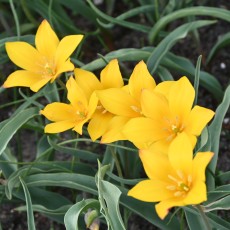
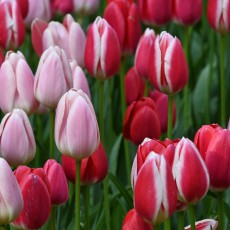
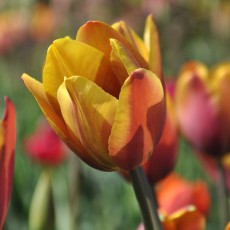
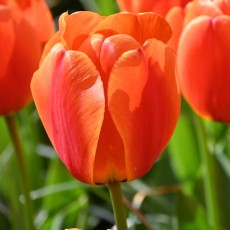
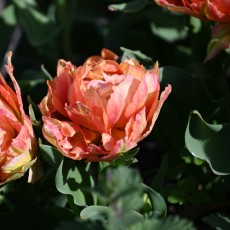
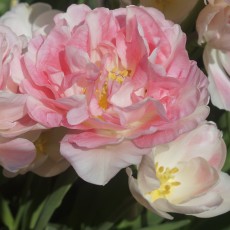
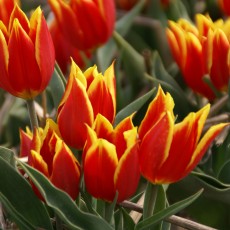
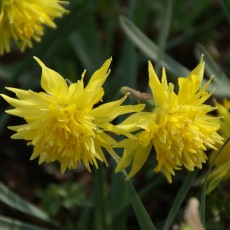
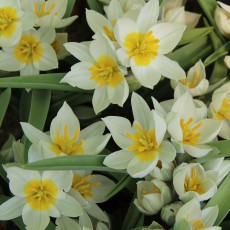
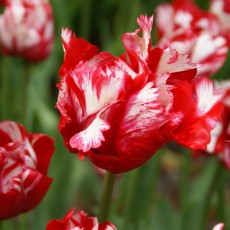
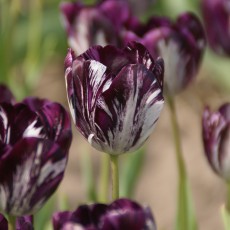
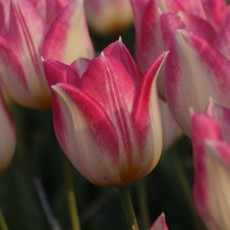
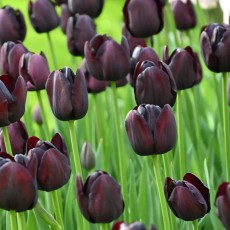
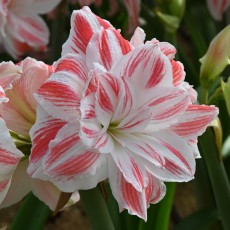
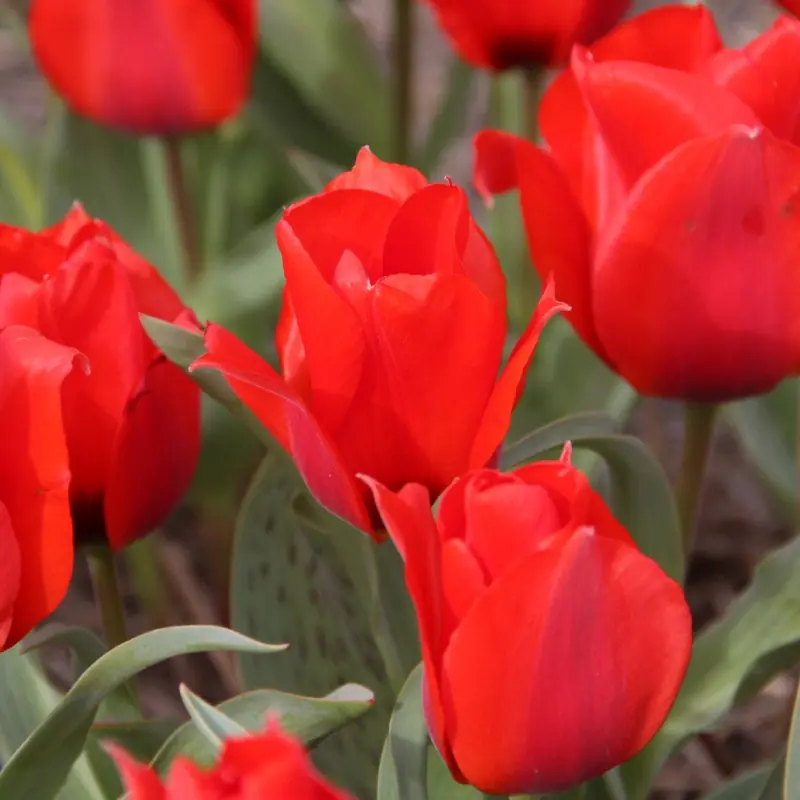
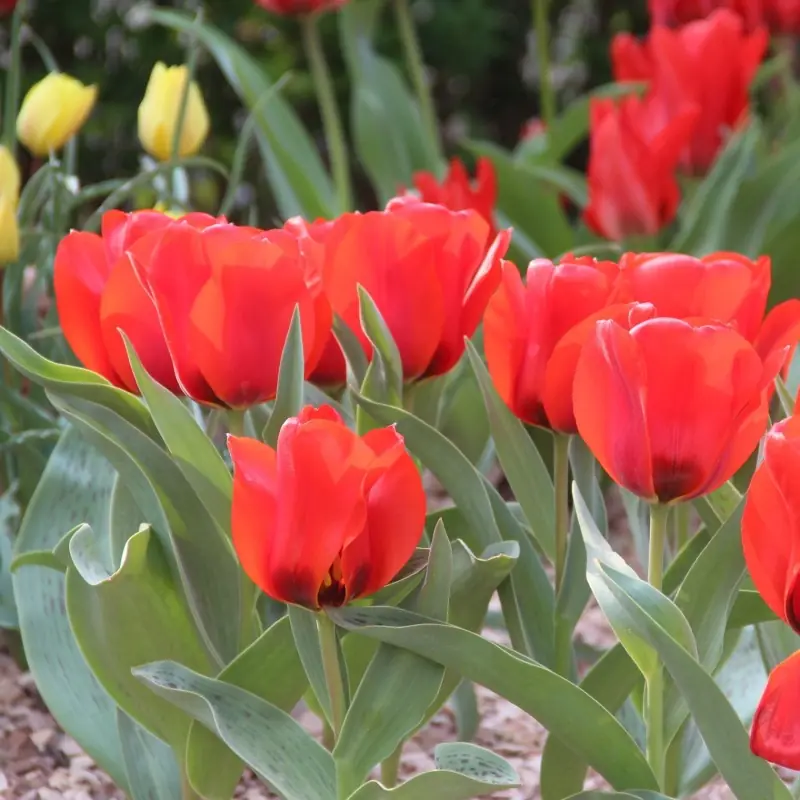
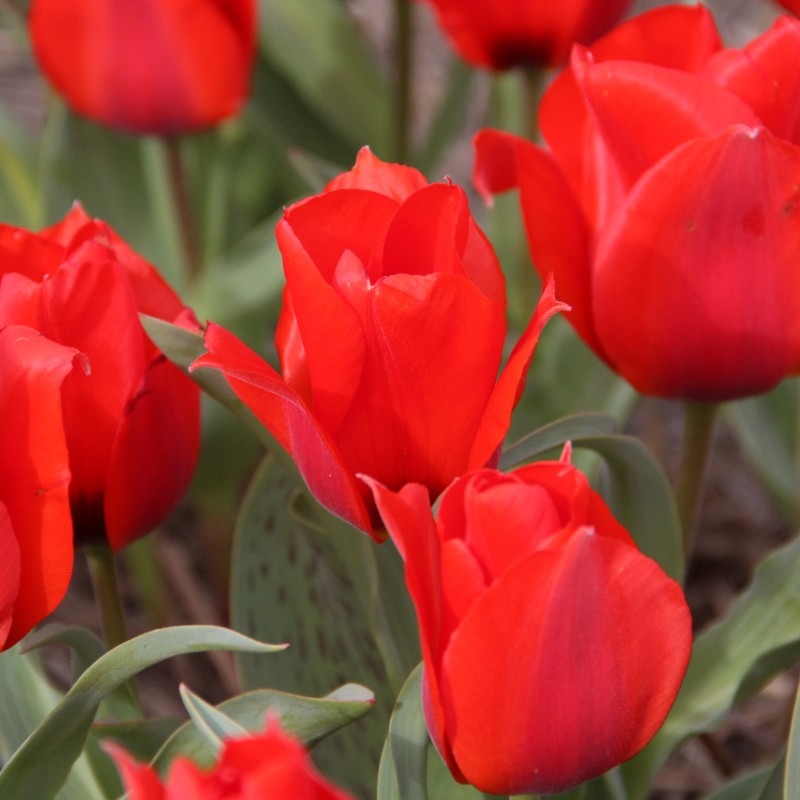
The flowers vary from intense red to light yellow and pink, often with a subtle color change at the base of the petals. What really sets the Tulipa Greigii apart from other tulips is the decorative foliage. This foliage is often green with a red pattern, which gives it an extra ornamental value, even when the flower is not in bloom.
Characteristics of the Tulipa Greigii
The Tulipa Greigii originates from the mountains of Central Asia, particularly Kazakhstan, Uzbekistan and Kyrgyzstan. The tulip was brought to Europe in the 19th century, where it quickly became popular with garden enthusiasts and growers. Named after the Russian botanist Samuel Greig, this variety has since found a permanent place in both private gardens and public parks. In addition, the Tulipa Greigii is known for the following characteristics:
- Flower shape and colour: The flowers of the Tulipa Greigii are medium-sized and often have a bowl shape. Depending on the variety, the colours can vary from bright red to orange, yellow and pink. Many varieties also have a contrasting colour on the inside of the petals, which creates a beautiful visual effect.
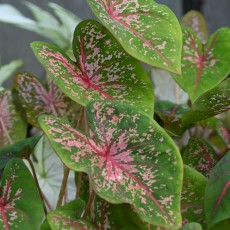
- Leaves: One of the most striking characteristics of the Tulipa Greigii is the unique leaf pattern. The leaves are wide and often have striking stripes or spots, in red or dark brown, which makes this tulip extra attractive, even before it starts to bloom.
- Growth form: In general, the Tulipa Greigii remains low, with a height between 20 and 30 centimetres. This makes the tulip a perfect fit for rock gardens, borders and pots.
Our planting and care tips
The Tulipa Greigii grows best in a sunny spot in the garden. Although they can also tolerate light shade, sufficient sunlight ensures that the flowers develop optimally. In addition, this tulip prefers well-drained soil, so that excess water can drain away quickly.
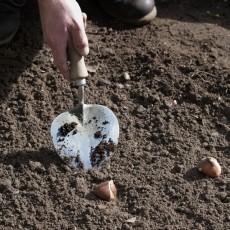
Tulipa Greigii bulbs are best planted in the autumn, between September and November. Make sure that the bulbs are planted approximately 10-15 centimetres deep, with the point facing upwards. A distance of approximately 10 centimetres between the bulbs ensures that they have sufficient space to grow and flower.
After flowering, it is important not to cut the foliage of the Tulipa Greigii immediately. Let the leaves die off, so that the bulb can store sufficient energy for the next growing season. Water the plant regularly during dry periods, but avoid leaving the bulbs in soil that is too wet, to prevent rot.
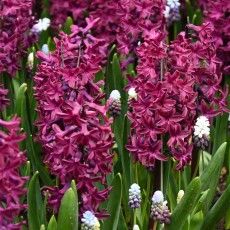
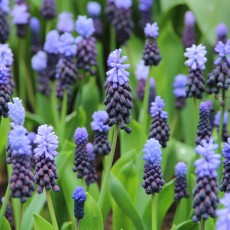
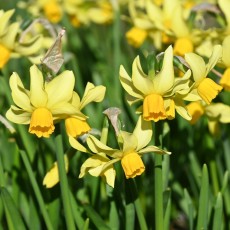
Tulipa Greigii looks great in combination with other spring bloomers. Think of crocuses, daffodils or grape hyacinths. By combining different spring flowers, you create a colourful and dynamic garden that remains interesting from early spring to late spring. Thanks to the sturdy stems and beautiful flowers, the Tulipa Greigii is also a good choice as a cut flower. The flower stays beautiful in a vase for a long time and brings spring indoors. When you use Tulipa Greigii as a cut flower, it is best to cut the flowers at a time when the buds are just beginning to open. This way you can enjoy the beauty indoors for extra long.
You can easily order the Tulipa Greigii via our webshop. In our webshop we have other types of tulips in addition to the Tulipa Greigii. Feel free to take a look, if you have any questions, please contact us without obligation. We are happy to help you!
BELONGS TO THE LILIACEAE FAMILY
The native region of Tulipa lies in Southeast China, where the largest concentration of the Liliaceae is found. From there, they have spread to countries such as Turkey, Iran, Turkmenistan, Uzbekistan, Kyrgyzstan, Mongolia, and Kazakhstan.
To a large extent, these are countries with many mountains, such as the Ala Tau mountain range, which extends into China where it is called the Tien Shan. With the fall of the Iron Curtain, it became possible for researchers from the West to study and investigate tulips in their native regions. Hundreds of different species may already have been found, occurring under various conditions. For instance, there are species growing on mountain slopes, on rocky soil, but also in heavy clay up to half a meter deep.
What they generally have in common is: scorching heat in summer and heavy snow in winter.