Description
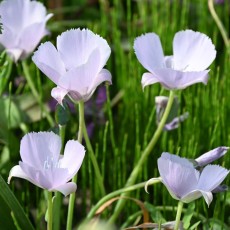
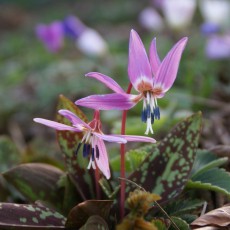
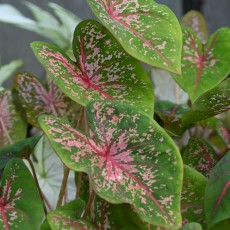
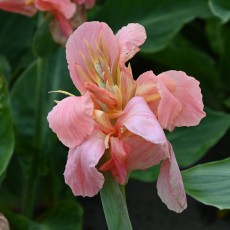
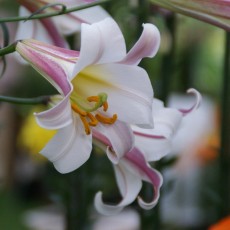
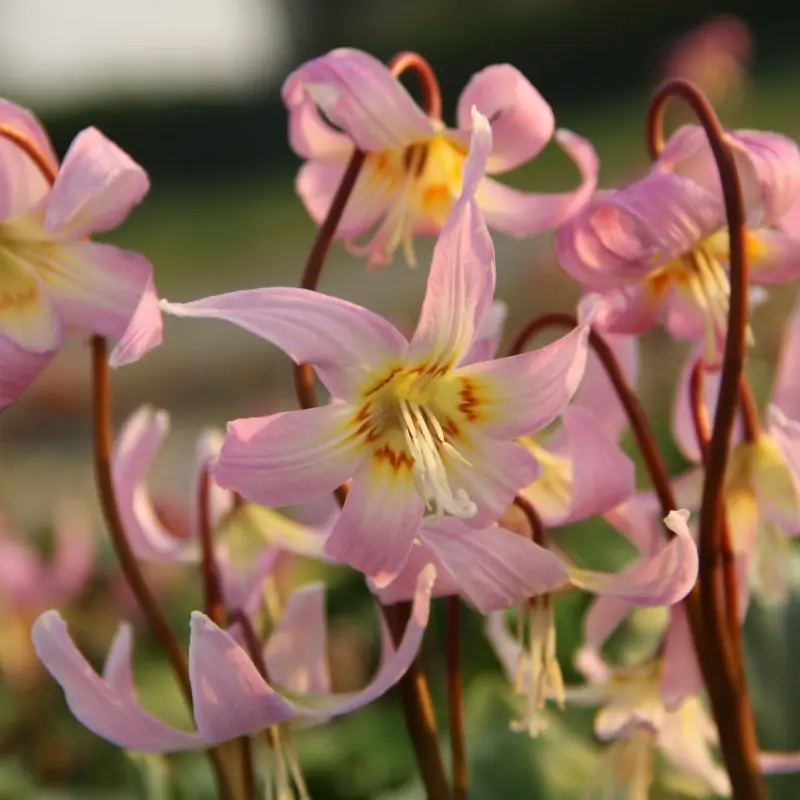
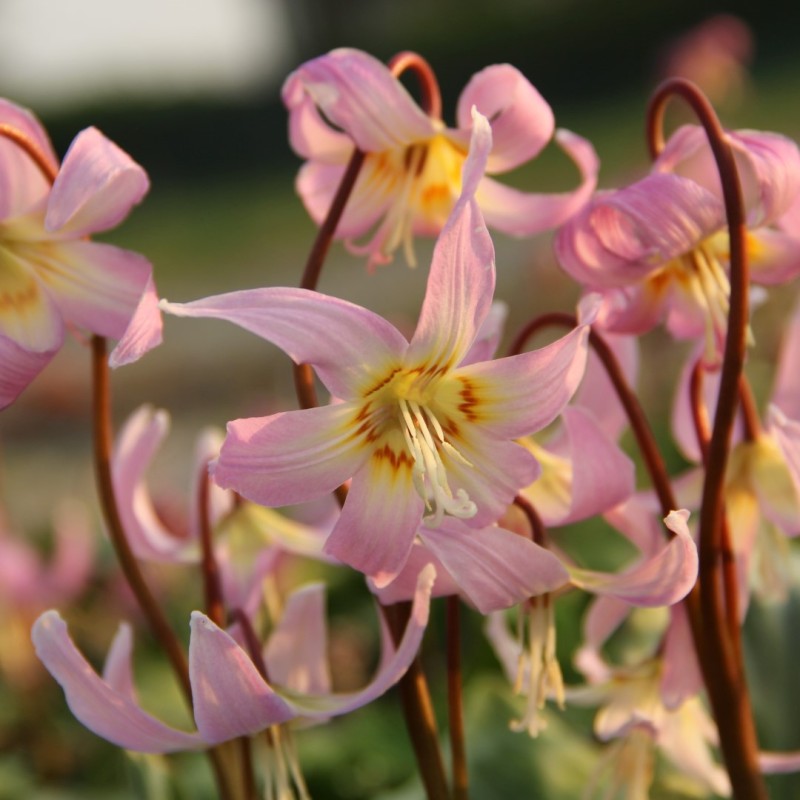
In the late 1980s, J. Huisman proudly showed this cross, created from E. johnsonii x E. 'White Beauty', to Peter C. Nijssen, both quickly agreeing that they were dealing with something special. Around 2010, Huisman showed 'Rosy Wing' several times at the flower bulb show of the K.A.V.B. Son Gert-Jan took care of building up the batch, it was not until 2017 that it was registered. A vigorous plant, pink flowers and marbled leaves.
BELONGS TO THE FAMILY OF LILIACEAE
The genus Erythronium has been cultivated for many centuries. Its distribution area is extensive: Central and Southern Europe, Iran, and the Caucasus, and many species originate in North America. The name dog's tooth is derived from the fused tubular tuber, comparable to a dog's tooth. The leaves are opposite, broadly oval-shaped, and always two per plant.
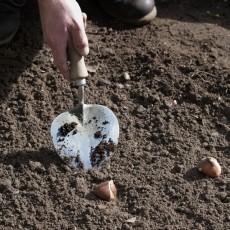
Almost all Erythronium species have beautifully patterned foliage. A striking detail is that, except for many species with nodding flowers, the tips of the petals are bent backwards as flowering progresses. The plants prefer somewhat sandy, humus-rich soil in a shaded spot, and the tubers should be planted quite deep. They can remain in the same place for many years and propagate mainly by seed. Erythronium tubers are very sensitive to wind and can therefore dry out quickly after being dug up. Mechanical harvesting is not conducive to quality; damage to the tuber quickly leads to mold formation, resulting in a difficult crop.