Description
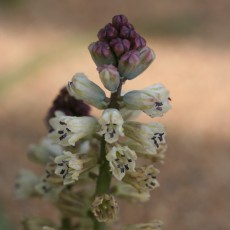
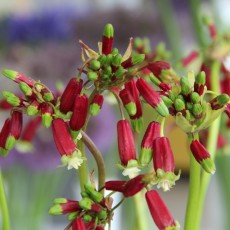
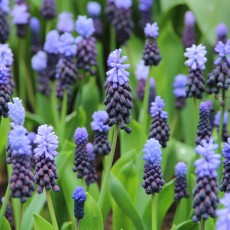
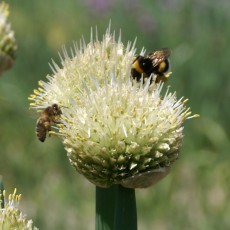
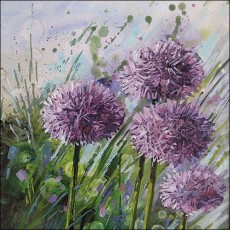
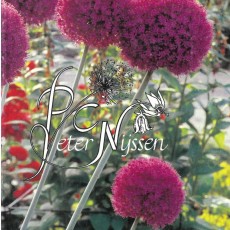
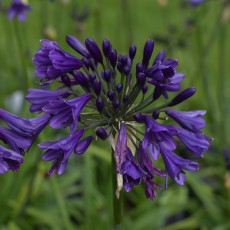
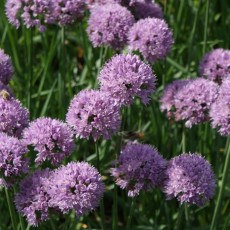
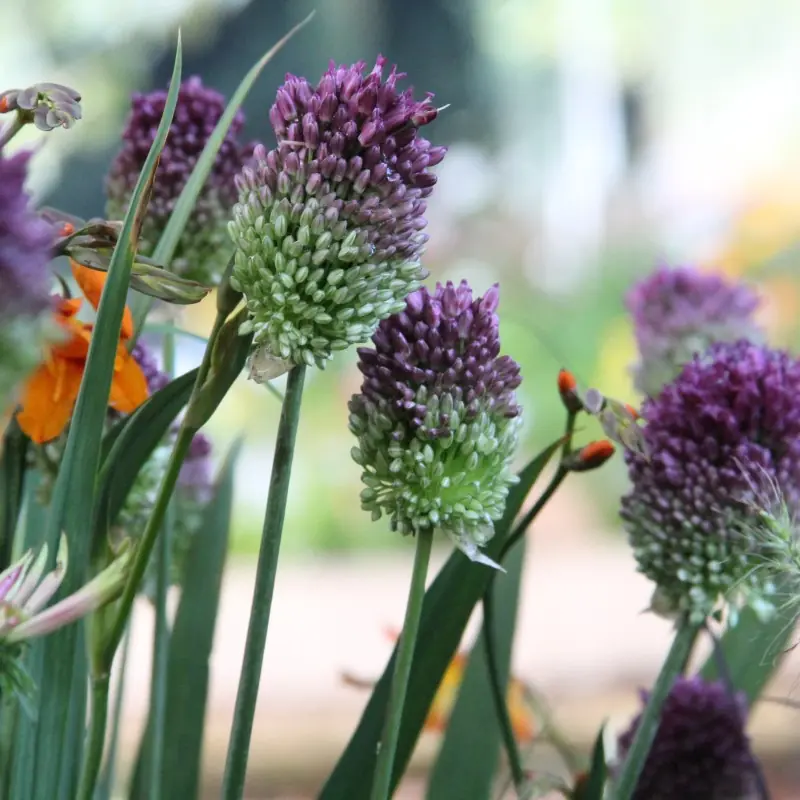
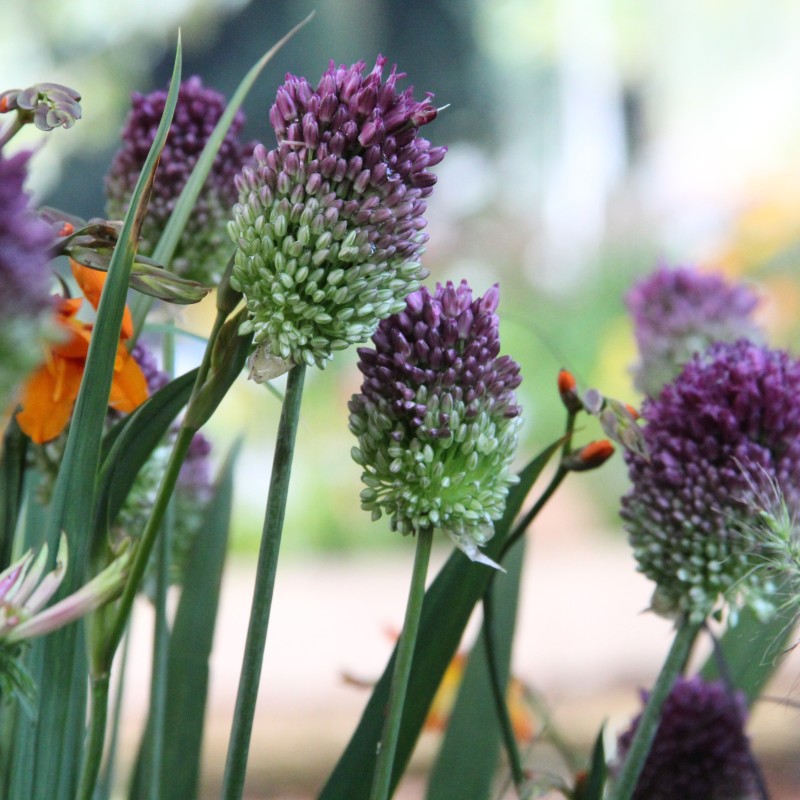
Intro: 1753. Dutch name means ball or lime garlic, also called drumsticks because of the shape of the plant. The concave leaves envelop approximately one third of the stem. The compact, approximately 5 cm wide spherical inflorescence consists of dozens of small red-purple bell-shaped purple flowers with protruding stamens. Origin: Mediterranean to the Caucasus, the Belgian Ardennes and close to Bristol. Nice as cut and dried flower.
Belongs to the family Allioideae of the Amaryllidaceae
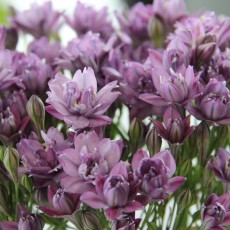
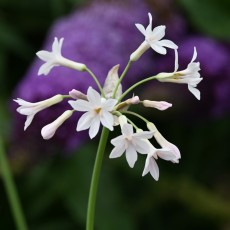
Ornamental onions combine perfectly with perennials and ornamental grasses in the border. They are a perfect addition to the planting in both a romantic garden and a sleek, modern garden. The flowers, leaves, and stems of many species are used in the kitchen.
The genus Allium comprises more than 1,000 species and cultivars and is distributed across the Northern Hemisphere. Asia Minor and Central, as well as the countries around the Mediterranean and western North America, are important growing areas. In the Netherlands, we also have some wild species such as wild garlic, common garlic, and snake garlic. Most species, both the native and the cultivated Allium, have an underground bulb that, depending on the species, can reach a circumference of about 3 cm to as much as 40 cm. Other species, including some herbs and vegetables, have an underground thickened root, also called a 'sheath'. The growth habit is clump-forming, which is more reminiscent of a perennial than a bulbous plant. The small-bulbed allium, as well as the allium that forms a thickened root, are very suitable for naturalizing.
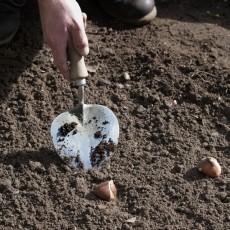
The large-bulbed allium can remain in the ground for several years, with soil type and location determining the duration. Ornamental onions return best in well-drained sandy soil, although the flowers become smaller over the years. You leave the bulbs in the ground until you are no longer satisfied with the size of the flowers. In that year, you dig up the bulbs after the flowering period. The bulbs must then be stored in a warm and dry place until planting time in the autumn. Then plant the bulbs in another spot in the garden.