-
Back
-
Nieuwe Oogst, Flower Bulbs
-
-
Nieuwe Oogst, Flower Bulbs
-
New in 2026
-
Bulk offers
-
Autumn-flowering bulbs
-
Native bulbs
-
Allium
-
Anemone
-
Arum
-
Bellevalia
-
Calochortus
-
Camassia
-
Chionodoxa
-
Colchicum
-
Convallaria
-
Corydalis
-
Crocus, autumn flowering
-
Crocus, spring flowering
-
Cyclamen
-
Dichelostemma
-
Eranthis
-
Eremurus
-
Erythronium
-
Fritillaria
-
Fritillaria CROWN
-
Galanthus
-
Galanthus from England
-
Geranium
-
Gladiolus
-
Hermodactylus
-
Hyacinthoides
-
Hyacinthus
-
Ipheion
-
Iris
-
Ixia
-
Ixiolirion
-
Leucojum
-
Lilium
-
Lilium martagon and hybrids
-
Muscari
-
Narcissus
-
Nectaroscordum
-
Ornithogalum
-
Oxalis
-
Puschkinia
-
Scilla
-
Sternbergia
-
Tecophilaea
-
Trillium
-
Triteleia
-
Tulbaghia
-
Tulipa
-
Tulipa, cultivar
-
Bee-friendly bulb packages
-
Other historical bulb crops
-
-
-
-
Daffodil website
-
-
Daffodil website
-
Division 1 - Trumpet Daffodil Cultivars
-
Division 10 - Bulbocodium Daffodil Cultivars
-
Division 11 - Split Corona Daffodil Cultivars
-
Division 12 - Other Daffodil Cultivars
-
Division 13 - Daffodils Distinguished Solely by Botanical Name
-
Division 2 - Large-cupped Daffodil Cultivars
-
Division 3 - Small-cupped Daffodil Cultivars
-
Division 4 - Double Daffodil Cultivars
-
Division 5 - Triandrus Daffodil Cultivars
-
Division 6 - Cyclamineus Daffodil Cultivars
-
Division 7 - Jonquilla and Apodanthus Daffodil Cultivars
-
Division 8 - Tazetta Daffodil Cultivars
-
Division 9 - Poeticus Daffodil Cultivars
-
-
-
-
Historicalbulbs
-
Indoors
-
Gardening, supplies
-
-
Gardening, supplies
-
-
-
Summer flowering bulbs
-
-
Summer flowering bulbs
-
-
-
Dahlia
-
-
Dahlia
-
Dahlia, Anemone-flowered
-
Dahlia, Ball
-
Dahlia, Cactus and Semi-Cactus
-
Dahlia, Collarette
-
Dalhia, Decorative
-
Dahlia, Decorative, water lily
-
Dahlia, Fimbriata
-
Dahlia, Gallery
-
Dahlia, Happy Single
-
Dahlia, Karma
-
Dahlia, Single-flowered
-
Dahlia, Star-shaped, Orchid
-
Dahlia, Miscellaneous
-
Dahlia, Peony-flowered
-
Dahlia, Pompon
-
Dahlia, BIO
-
-
-
-
Seeds
- Archive
- Nijssentuin.nl


Prospero obtusifolium
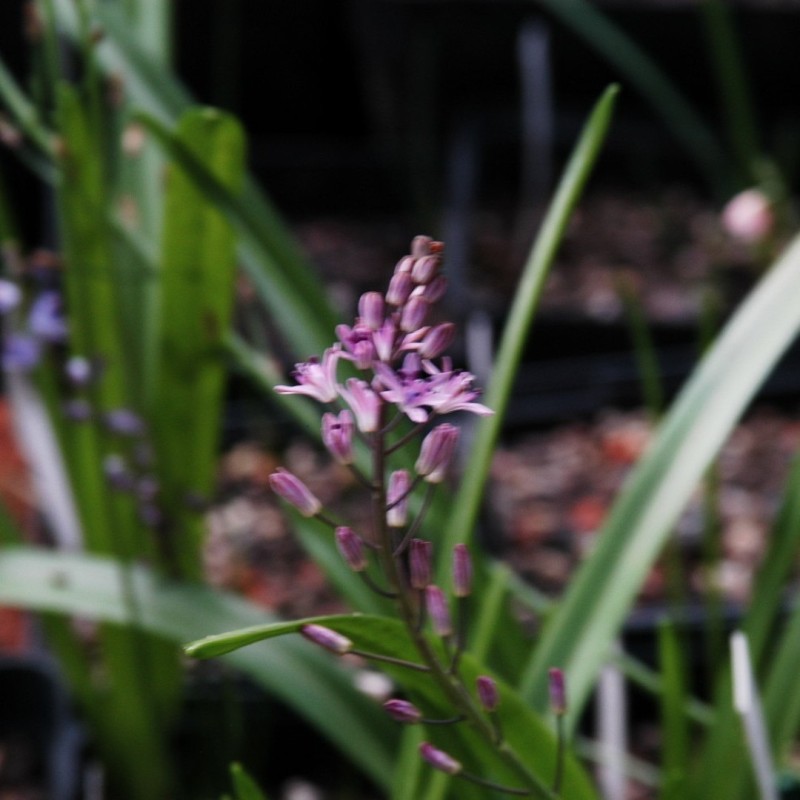
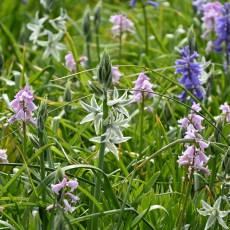
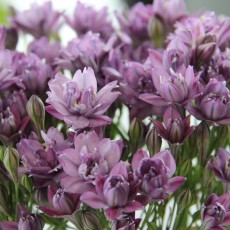
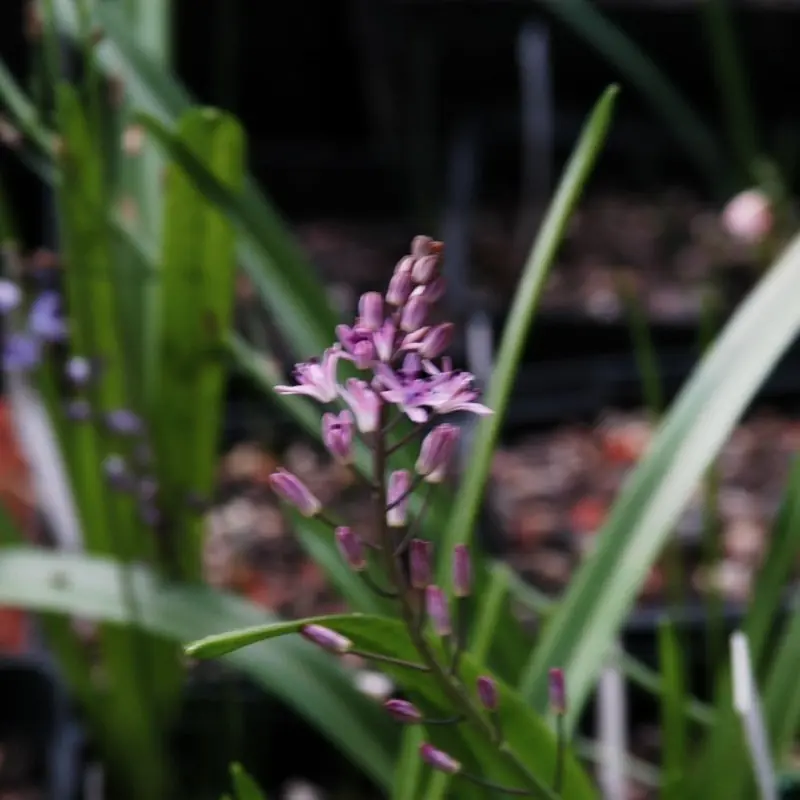
Synonym: Scilla obtusifolia. A species native to the western Mediterranean region. The pinkish-red flowers are arranged loosely in a cluster on a 20 cm tall flower stalk. The leaves are 1 cm wide and lie flat on the ground in a star-like pattern. First described in 1789.
Description
Synonym: Scilla obtusifolia. A species native to the western Mediterranean region. The pinkish-red flowers are arranged loosely in a cluster on a 20 cm tall flower stalk. The leaves are 1 cm wide and lie flat on the ground in a star-like pattern. First described in 1789.
BELONGS TO THE FAMILY OF ASPERAGACEA, SCILLOIDACEAE
Scilla (to offend, to harm) was the word used by Hippocrates in reference to the roots, which contain a potent poison. The Scilla commonly used by the Romans and Greeks is the plant we now know as Urginea maritima (Sea Onion).
The genus Scilla comprises approximately 100 species, but quite a few of them have merged into other genera in recent years (e.g., Scilla non-scripta is now called Hyacinthoides non-scripta). They occur in both tropical and temperate regions from South Africa to the Mediterranean region and other parts of Europe and Asia.
The star hyacinth thrives on calcareous and humus-poor sandy soil that must not be too dry. Naturalization.
Plant data
- Reference
- 3660
- Preferred Placement
- voor zon tot lichte schaduw
- Color
- rosy-pink
- Bulb size
- I.
- Bulb Spacing
- 5
- Planting Depth
- 6-8
- Height in cm.
- 20
- Flowering time in the months
- 7-8
- Delivery period
- Levering planttijd
Our recommendations
Prospero autumnale
Scilla x Rosiba
Scilla mesopotamica
Scilla bifolia
Scilla litardierei
Scilla melaina
Scilla 'Blue Arrow'
Scilla mischtschenkoana 'Tubergeniana'
Scilla amoena
Scilla puschkinioides
Scilla siberica 'Alba'
Scilla scilloides
Scilla siberica