Description
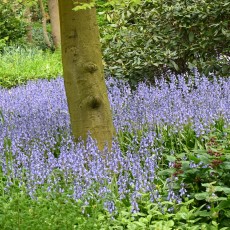
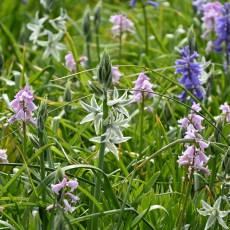
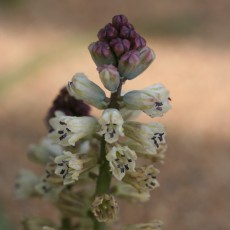
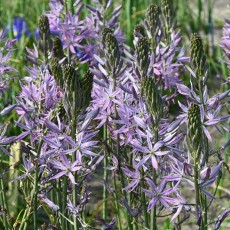
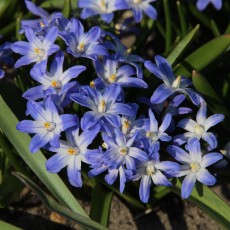
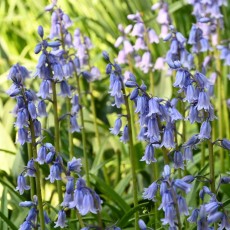
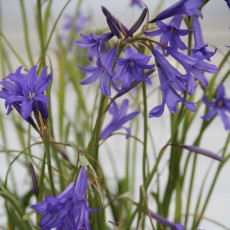
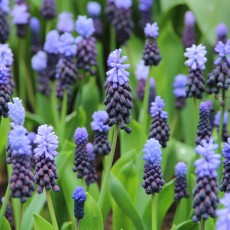
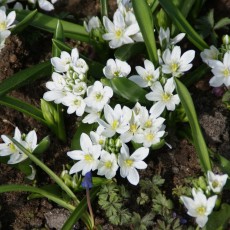
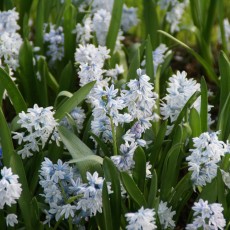
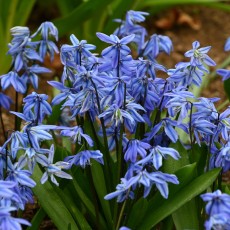
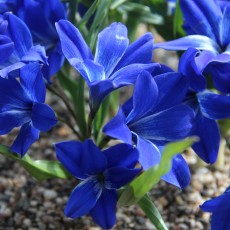
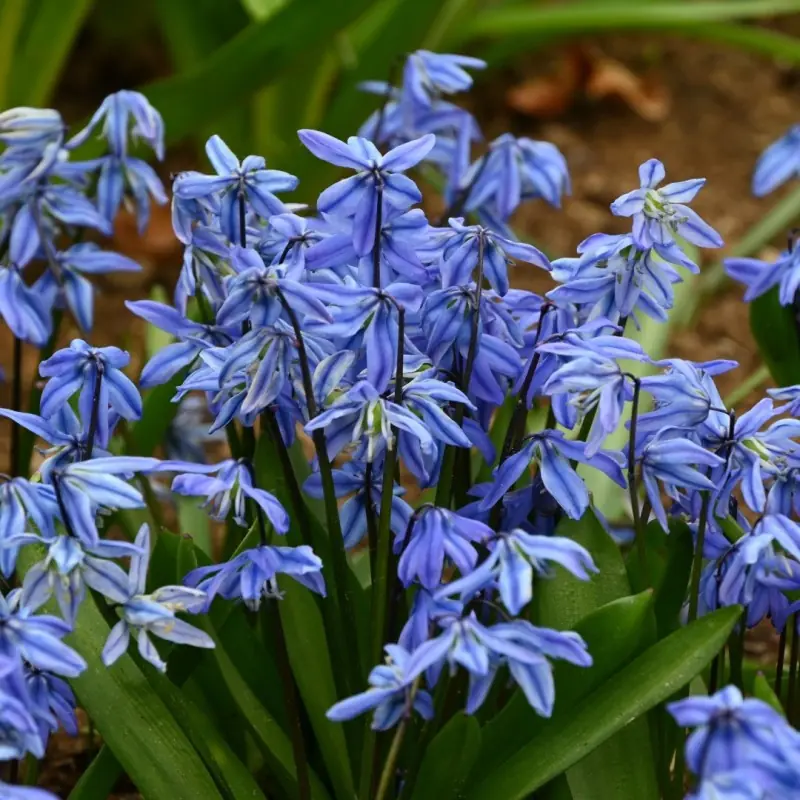
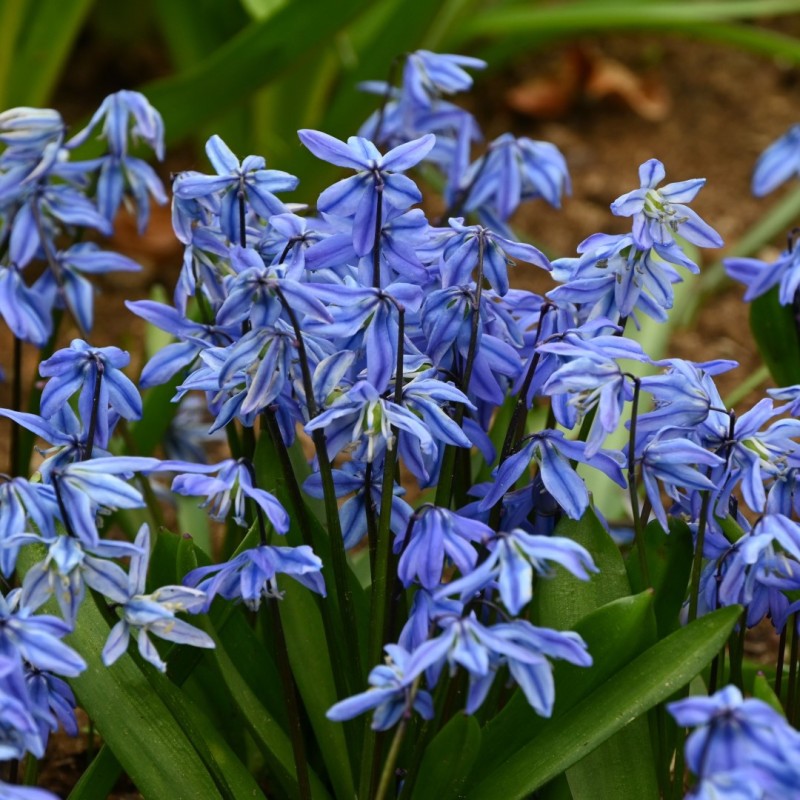
Intro: 1796. Origin: Southeast Europe, the Caucasus, Anatolia and southeast Asia. The bright blue, nodding, star- to bell-shaped flowers are marked on each petal by a dark blue central vein. The best-known Scilla, very suitable for naturalising.
BELONGS TO THE FAMILY OF ASPERAGACEA, SCILLOIDACEAE
Scilla (to offend, to harm) was the word used by Hippocrates in reference to the roots, which contain a potent poison. The Scilla commonly used by the Romans and Greeks is the plant we now know as Urginea maritima (Sea Onion).
The genus Scilla comprises approximately 100 species, but quite a few of them have merged into other genera in recent years (e.g., Scilla non-scripta is now called Hyacinthoides non-scripta). They occur in both tropical and temperate regions from South Africa to the Mediterranean region and other parts of Europe and Asia.
The star hyacinth thrives on calcareous and humus-poor sandy soil that must not be too dry. Naturalization.