Description
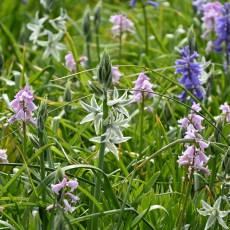
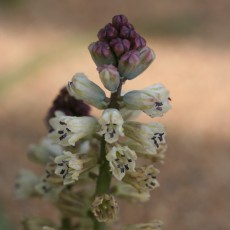
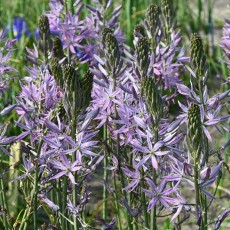
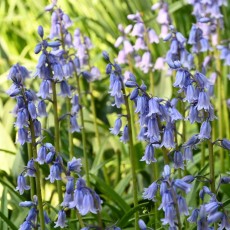
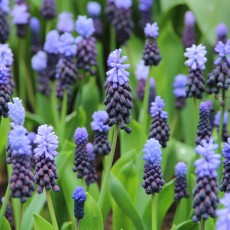
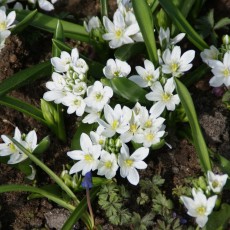
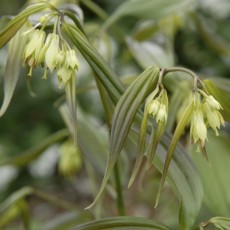
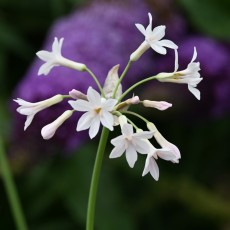
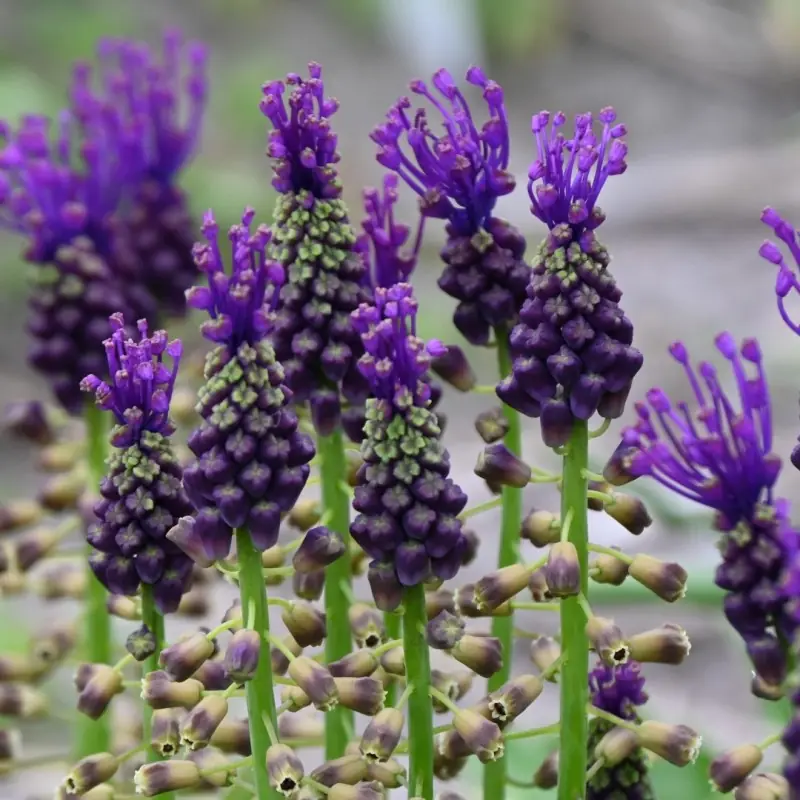
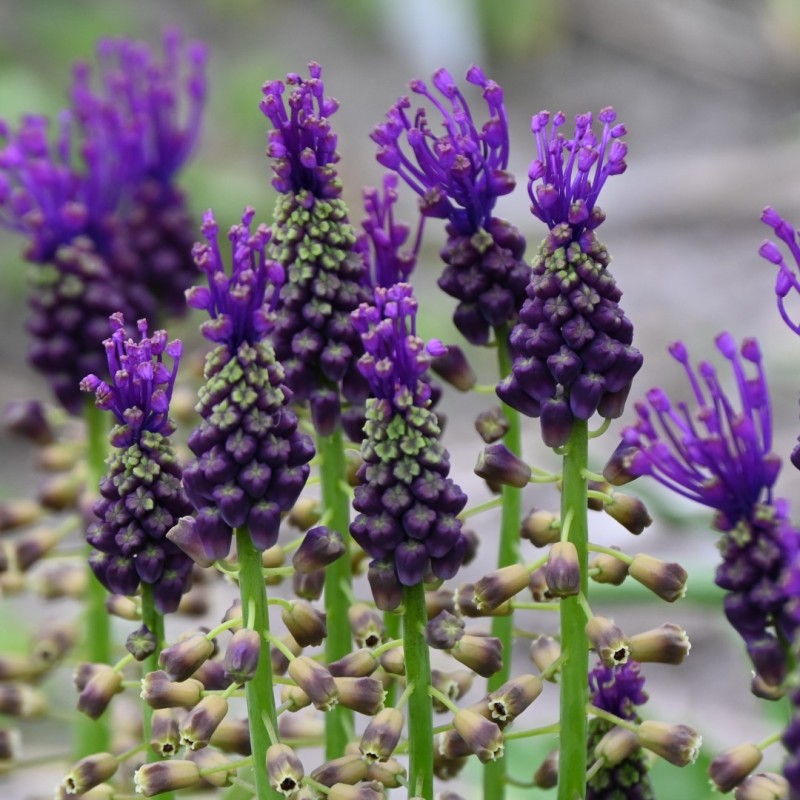
Intro: 1596. Origin: South Africa, France, Central Europe, southern Russia and Southwest Asia. Tassel Hyacinth. Occurs scattered throughout the Dutch dunes. The lower part of the flower is composed of fertile olive-green flowers on short stems and the upper sterile (infertile) long-stemmed luring flowers are soft violet. The story goes that the plant was introduced in the Netherlands with pheasants feed. Has a quaint inflorescence.
BELONGS TO THE FAMILY OF HYACINTHACEAE
This widely known genus has several synonyms: Botryanthus, Muscarimia, and Pseudomuscari.
Muscari comes from the Latin: muscus (musky).
Some species are surrounded by this musky scent.
The genus Muscari consists of about thirty species originating from the Mediterranean region, Turkey, to the Caucasus.
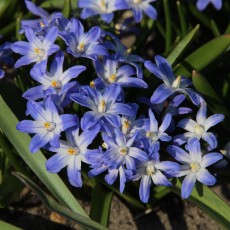
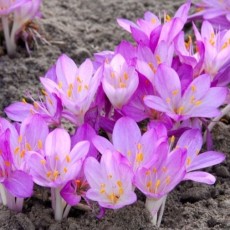
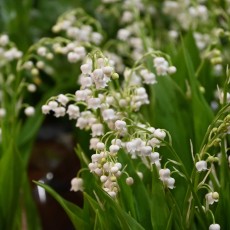
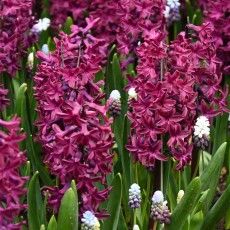
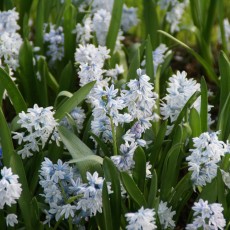
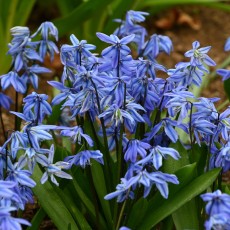
Known by the collective name grape hyacinths.